ULBD laminotomy/laminectomy is a minimally invasive lumbar decompression for spinal stenosis. Through a small corridor on one side of the back, enough bone and ligament are removed to free both sides of the canal so the nerve roots have room again.
The goal is mechanical and clear: open the crowded canal. When the segment is stable, this is usually not a fusion. Walking distance and comfort are often the practical measures of success, not only a pain score at rest.
Patients researching laminotomy/laminectomy or ULBD in Naples or elsewhere in Southwest Florida often find that the useful question is not only “Is it minimally invasive?” It is whether stenosis is driving the walking problem, whether the segment is stable enough for decompression alone, and whether this corridor accomplishes the goals safely. That is the conversation at HSS at NCH.
When ULBD laminotomy/laminectomy is recommended
Nonoperative care is preferred when it still solves the problem. Therapy, medicines, activity changes, and injections are still discussed when those have a realistic chance.
ULBD / MIS laminotomy/laminectomy is typically recommended when:
Patients have lumbar stenosis: legs get heavy, painful, or numb with walking or standing, and often feel better sitting or leaning forward (the “shopping-cart” posture)
Imaging shows canal crowding from thickened ligament, bone spurs, disc bulge, or facet arthritis that matches the walking pattern
The segment is stable enough for decompression without fusion
Nonoperative care has not restored useful walking, or symptoms are progressing in a way that needs space for the nerves
This is different from a single disc fragment shooting pain down one nerve (microdiscectomy territory), though some people have both problems. Stenosis crowds the canal; classic symptoms worsen with standing and walking and ease with flexion.
ULBD is not automatic because an MRI shows stenosis. Surgery is for when the anatomy and symptoms say the canal will not finish opening on its own with nonoperative care, and the mechanical job is to give the nerves room again.
If instability or a slip is part of the problem, fusion may need to be part of the plan instead of decompression alone. That is decided from imaging and exam, not from a webpage. Complete and safe is the standard.
What happens in surgery
ULBD does one main job:
Decompress both sides of the canal through a unilateral (one-sided) laminotomy corridor
ULBD means unilateral laminotomy for bilateral decompression. Through a small incision on one side, using dilating tubes and a microscope, enough bone and ligament are removed to free both sides of the canal. Muscle fibers are gently split, not stripped in a long open midline strip. The working tube is often 16–18 mm.
This is usually not a fusion when the segment is stable. No implant is placed to glue the bones together unless the written plan says otherwise. If an in-situ or other fusion add-on is needed for that anatomy, that is said clearly before surgery.
Decompression does not “cure arthritis.” Back pain from facet arthritis may still be there after a decompression-only surgery. The main target is leg heaviness and walking limits from nerve crowding. Counseling for leg / nerve symptoms after decompression often describes meaningful improvement for most patients, with weakness and numbness improving less often than pain. The nerves still have to settle. No one can promise a perfect result for any individual patient.
Hospital stay and the first days
Most people go home the same day after ULBD / MIS laminotomy/laminectomy when ready. Overnight stay is case by case.
The discharge paper wins if it differs. Patients need a responsible adult to take them home. Patients should not drive themselves.
Early goals:
Get upright and walking short distances
Control pain enough to rest and move safely
Protect the wound and start the activity rules followed at home
A brace is case by case after laminotomy/laminectomy / ULBD. It is not automatic. If a brace was written, wear it as written. If none was written, do not invent one.
At home in the first days, expect incision soreness, tiredness, and sometimes familiar leg heaviness as nerves settle. Mild, slowly changing nerve ache can happen. New loss of bowel or bladder control, new numbness in the groin or “saddle” area, or rapidly worsening leg weakness is not a normal flare. That is an emergency. Call 911 or go to the ER.
Showering is usually fine once the team says the dressing or glue can get wet. Let water run over. Do not scrub. Pat dry. Do not submerge the wound for 6 weeks (no tub, pool, ocean, or hot tub).
Recovery timeline
These are the shared lumbar decompression rules used after ULBD when the surgery is decompression-only. Written discharge instructions win if they differ.
Weeks 0–2
BLT: no extra bending, lifting, or twisting for 6 weeks total
Walking: short, limited walks only. Walking is the main exercise.
Brace: only if written (case by case)
Driving: no driving for the first 2 weeks
Bathing: shower OK; no submerging for 6 weeks
Work / sport: not the focus yet. Rest, short walks, and wound care come first.
Early follow-up is usually with Jorge Monje, APRN (Spanish and English) at about 2 weeks. That visit is a wound check, medicine review, and the walking decision. If healing looks appropriate, patients are often released to unlimited walking for weeks 2–6. Unlimited walking still means walking. It does not lift BLT. It does not mean sport, gym, swimming, or chores that bend, lift, or twist.
Weeks 2–6
Walking: unlimited on even ground if the 2-week visit said healing is OK. If not, stay on short walks until the plan is changed in writing.
BLT: still on through week 6
No submerging: still through week 6
Driving: driving may be considered only if the patient is at least 2 weeks out and off all narcotics. Both are required.
Work (counseling, not an employer note): case by case when ready. Desk work is often 2–3 weeks, sometimes earlier. Physical work is generally out about 6 weeks. Not while on narcotics.
PT: walking is the main therapy. Only about 20–30% of people need formal office PT after early recovery, usually if lumbar pain is not improving.
Nicotine after surgery: no smoking, vaping, dip, or nicotine pouches. Ask for help quitting if needed.
Patients typically see Jorge again at about 6 weeks. Week 6 is an activity talk. Many people who are progressing appropriately are released from routine care at about 6 weeks after laminotomy/laminectomy / ULBD. It is not sports clearance unless that is written. Return to sport is eased in weeks 6–12 based on what is written.
Weeks 6–12
Ease back into activities and return toward sport slowly, based on what is written at or after the 6-week visit
Formal PT only if ordered for continued or non-improving symptoms
Keep realistic expectations about arthritis-related back pain after decompression-only surgery
Routine long-term fusion pathway visits are not the default after decompression-only ULBD unless something needs ongoing follow-up.
FAQs
What is ULBD?
ULBD means unilateral laminotomy for bilateral decompression: through a small one-sided corridor, enough bone and ligament are removed to free both sides of the canal for lumbar stenosis. It is usually not a fusion when the segment is stable.
How is stenosis different from a herniated disc fragment?
Stenosis is canal crowding that often makes legs heavy or painful with walking or standing and better with sitting or leaning forward. A herniated fragment is more often a single-nerve sciatica story. Some people have both. The operation matches the mechanical problem.
Who is a candidate for ULBD laminotomy/laminectomy?
Patients with walking-limiting lumbar stenosis when imaging matches the exam, the segment is stable enough for decompression without fusion, and nonoperative care is not enough. If instability is part of the problem, fusion may be discussed instead.
How long will I stay in the hospital?
Same-day discharge is common when the patient is ready. Overnight stay is case by case.
Will I need a brace?
Brace after ULBD / laminotomy/laminectomy is case by case, not automatic. Wear it only if it was written.
When can I drive?
No driving for the first 2 weeks. After that, driving may be considered only if the patient is at least 2 weeks out and off all narcotics. Both required.
What is the main exercise after surgery?
Walking. Short walks in weeks 0–2. If healing is OK at the 2-week visit, unlimited walking in weeks 2–6. BLT stays for 6 weeks. Formal PT is only needed for about 20–30% of people after early recovery if symptoms are not improving.
Will this cure my arthritis back pain?
Decompression opens space for the nerves. It does not cure facet arthritis. Back pain from arthritis may remain. The main target is leg heaviness and walking limits from stenosis.
What about outcomes?
Counseling for leg / nerve symptoms after decompression often describes meaningful improvement for most patients, with weakness and numbness improving less often than pain. Walking distance and comfort are often the practical measures. No one can promise a perfect result for any individual patient.
Patients dealing with walking-limiting leg heaviness or pain from lumbar stenosis who have been told about laminotomy/laminectomy or ULBD are encouraged to bring imaging and questions. The conversation starts with the problem, not the incision size: whether stenosis is driving the walking pattern, whether the segment is stable enough for decompression alone, and whether a one-sided ULBD corridor accomplishes the goals safely.
That is the conversation Dr. Nicholas J. Clark has with patients at HSS at NCH in Naples.
Request an appointment · (239) 624-0306
Nicholas J. Clark, MD, orthopedic spine surgery (minimally invasive and robotic), HSS at NCH, Naples, FL. This page is educational and not medical advice for your specific condition.
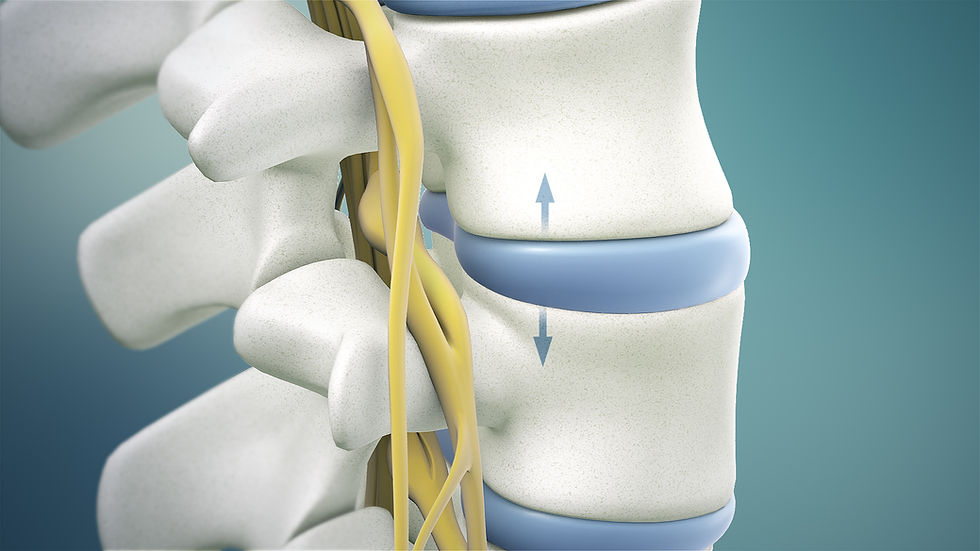
ULBD Laminotomy/Laminectomy (Unilateral Laminotomy for Bilateral Decompression)
ULBD laminotomy/laminectomy is a minimally invasive lumbar decompression for spinal stenosis: through a one-sided corridor, both sides of the canal are opened without fusion when the segment is stable.