:\"https://schema.org\",\"@type\":\"FAQPage\",\"@id\":\"https://www.nicholasjclarkmd.com/faq#faq\",\"url\":\"https://www.nicholasjclarkmd.com/faq\",\"name\":\"Spine Surgery FAQs\",\"inLanguage\":\"en-US\",\"isPartOf\":{\"@type\":\"WebSite\",\"@id\":\"https://www.nicholasjclarkmd.com/#website\",\"url\":\"https://www.nicholasjclarkmd.com/\",\"name\":\"Nicholas J. Clark, MD\"},\"about\":{\"@id\":\"https://www.nicholasjclarkmd.com/#physician\"},\"mainEntity\":[{\"@type\":\"Question\",\"name\":\"What should patients look for in a Naples spine surgeon?\",\"acceptedAnswer\":{\"@type\":\"Answer\",\"text\":\"Training pathway, case mix, and honesty about when surgery is not the right next step matter more than marketing claims. Useful signals include fellowship training in spine, experience with minimally invasive and revision work when those problems apply, and a clear plan that matches symptoms, exam, and imaging. Affiliation with a dedicated orthopedic spine program (such as HSS at NCH) can support perioperative systems. Claims such as \\\"best spine surgeon\\\" are not useful selection criteria; outcome depends on the right indication and a complete, safe operation.\"}},{\"@type\":\"Question\",\"name\":\"When should someone see a spine surgeon?\",\"acceptedAnswer\":{\"@type\":\"Answer\",\"text\":\"A surgical consult is reasonable when neck or back symptoms include progressive weakness, balance or coordination changes that raise concern for spinal cord compression, bowel or bladder changes that need urgent evaluation, or limb pain that has not settled with a realistic nonoperative trial. Persistent sciatica or stenosis symptoms that limit walking or sleep also warrant evaluation. Many problems never need an operation; the visit is to match anatomy to symptoms and to decide whether surgery, continued nonoperative care, or further workup is the safer path.\"}},{\"@type\":\"Question\",\"name\":\"Does every spine problem need surgery?\",\"acceptedAnswer\":{\"@type\":\"Answer\",\"text\":\"No. Many disc herniations, soft-tissue strains, and early degenerative changes improve with activity modification, medicines, therapy, and time. Surgery is considered when a mechanical problem (nerve compression, instability, or cord compression) lines up with the exam and imaging, and when nonoperative care has not finished the job or neurologic status is slipping. The least invasive option that still completes the mechanical goal safely is preferred when an operation is indicated.\"}},{\"@type\":\"Question\",\"name\":\"What is ACDF surgery?\",\"acceptedAnswer\":{\"@type\":\"Answer\",\"text\":\"ACDF is surgery from the front of the neck to remove a damaged disc and fuse the segment so a nerve or the spinal cord is no longer compressed. It is commonly used for arm pain or myelopathy when nonoperative care has failed, after evaluation confirms surgery is appropriate.\"}},{\"@type\":\"Question\",\"name\":\"How long is recovery after ACDF?\",\"acceptedAnswer\":{\"@type\":\"Answer\",\"text\":\"Most patients go home the same day or after one night and walk early. Soft-collar comfort is common; driving usually waits until the patient is off narcotics and at least two weeks out. Return to work and other activity depend on the operation and the surgeon's written instructions.\"}},{\"@type\":\"Question\",\"name\":\"How is disc replacement different from ACDF?\",\"acceptedAnswer\":{\"@type\":\"Answer\",\"text\":\"Disc replacement removes the diseased disc and places a motion device instead of fusing the level. It may be chosen when the level is a good candidate for motion preservation and the rest of the neck will tolerate it; otherwise ACDF is often the safer mechanical choice.\"}},{\"@type\":\"Question\",\"name\":\"Are NSAIDs needed after disc replacement?\",\"acceptedAnswer\":{\"@type\":\"Answer\",\"text\":\"Yes, for about the first 7 days in this practice, NSAIDs may be used to help prevent unwanted bone formation (heterotopic ossification) around the device. Other activity rules are otherwise similar to ACDF. Medication instructions are individualized; the treating surgeon's specific postoperative plan should be followed.\"}},{\"@type\":\"Question\",\"name\":\"Is cervical disc replacement always preferred over fusion?\",\"acceptedAnswer\":{\"@type\":\"Answer\",\"text\":\"No. Motion preservation is useful only when the level and the rest of the neck are good candidates. Significant facet arthritis, instability, deformity, or multilevel disease that needs a fused foundation often points toward ACDF instead. The decision is mechanical and patient-specific, not a blanket preference for one technique.\"}},{\"@type\":\"Question\",\"name\":\"What is MIS-TLIF?\",\"acceptedAnswer\":{\"@type\":\"Answer\",\"text\":\"MIS-TLIF is a minimally invasive lumbar fusion that decompresses pinched nerves and stabilizes an unstable segment through a smaller, muscle-sparing corridor, often with robotic guidance. The goal is the same as an open fusion; the path through the soft tissue is narrower, which may reduce soft-tissue disruption.\"}},{\"@type\":\"Question\",\"name\":\"Who is a candidate for robotic MIS-TLIF?\",\"acceptedAnswer\":{\"@type\":\"Answer\",\"text\":\"Patients with leg pain or stenosis plus instability or spondylolisthesis may be candidates when both decompression and fusion are needed. Robotic guidance can help place hardware accurately when a planned corridor and precision both matter. Candidacy depends on imaging, symptoms, examination, health, and discussion of alternatives.\"}},{\"@type\":\"Question\",\"name\":\"How does MIS-TLIF differ from open lumbar fusion?\",\"acceptedAnswer\":{\"@type\":\"Answer\",\"text\":\"Both aim to decompress nerves and stabilize the segment when fusion is required. MIS-TLIF reaches that goal through a narrower muscle-sparing corridor rather than a longer open exposure. Smaller is not automatically safer; the standard is a complete, safe decompression and solid stabilization. Anatomy, prior surgery, or deformity may still require a wider approach.\"}},{\"@type\":\"Question\",\"name\":\"What is recovery like after microdiscectomy?\",\"acceptedAnswer\":{\"@type\":\"Answer\",\"text\":\"Tubular microdiscectomy is usually same-day. Early goals are short walks, wound care, and activity limits such as avoiding bending, lifting, and twisting while the disc and soft tissues settle. No fusion is performed for a typical microdiscectomy, and a brace is not usually planned. Formal therapy is not automatic; many patients recover with walking and gradual activity, with therapy added later if progress stalls. Full timelines are set by the discharge instructions and follow-up visits.\"}},{\"@type\":\"Question\",\"name\":\"How soon can patients walk and drive after spine surgery?\",\"acceptedAnswer\":{\"@type\":\"Answer\",\"text\":\"Walking starts early after most neck and lumbar operations once anesthesia has cleared and pain allows safe footing. Driving waits until narcotics are stopped and the patient can brake and turn without hesitation; for ACDF that is often at least two weeks, and lumbar cases follow the specific discharge rules. Timing is individualized; the written plan after surgery wins if it differs from general guidance.\"}},{\"@type\":\"Question\",\"name\":\"When do patients return to work after spine surgery?\",\"acceptedAnswer\":{\"@type\":\"Answer\",\"text\":\"Desk work may resume sooner than physical labor. Desk return is often on the order of weeks when pain and concentration allow; jobs that require heavy lifting, prolonged bending, or vibration take longer and may need duty restrictions. Exact timing depends on the procedure, the job demands, and healing progress at follow-up.\"}},{\"@type\":\"Question\",\"name\":\"Does the robot do the surgery?\",\"acceptedAnswer\":{\"@type\":\"Answer\",\"text\":\"No. The robot helps plan and guide accurate hardware placement through a smaller corridor; it does not independently operate. The surgeon performs the decompression, makes every surgical decision, and remains responsible for the procedure. Whether robotic assistance is appropriate depends on the planned operation and patient-specific anatomy.\"}},{\"@type\":\"Question\",\"name\":\"Why is robotic guidance used for some spine operations?\",\"acceptedAnswer\":{\"@type\":\"Answer\",\"text\":\"Robotic guidance can improve the accuracy of screw or hardware placement when a planned corridor and precision both matter, often as part of a minimally invasive fusion pathway. It does not replace judgment about whether fusion is needed, how much decompression is required, or which approach is safest. Not every spine operation uses a robot.\"}}]}";var s=document.createElement("script");s.type="application/ld+json";s.setAttribute("data-njc-faq-dedicated","1");s.text=d;document.head.appendChild(s);}catch(e){}})();
top of page
hero-compressed-2026-09-26.webp
Nicholas J. Clark MD

Nicholas J. Clark, MD: Minimally Invasive Spine Surgeon in Naples, FL

Orthopedic Spine Surgeon: Minimally Invasive and Robotic Surgery in Naples, FL

Fellowship-trained orthopedic spine care at HSS at NCH, including revision and motion-preserving options for Southwest Florida.

HSS at NCH | Nicholas J. Clark MD
Mayo Clinic Logo | Nicholas J. Clark MD
HSS: Hospital for Special Surgery | Nicholas J. Clark MD
University of Wisconsin School of Medicine and Public Health | Nicholas J. Clark MD
the American Board of Orthopaedic Surgery | Nicholas J. Clark MD

Welcome

About Nicholas Clark

Dr. Nicholas J. Clark is a fellowship-trained orthopedic spine surgeon at HSS at NCH in Naples. He specializes in minimally invasive and robotic spine surgery, including revision and motion-preserving care, for patients across Southwest Florida (Naples, Estero, Bonita Springs, Fort Myers, and surrounding cities). He trained at Mayo Clinic and completed spine fellowship at Hospital for Special Surgery in New York. His goal is to relieve pain and restore function with the least invasive option that still finishes the job safely.

Nicholas J. Clark MD
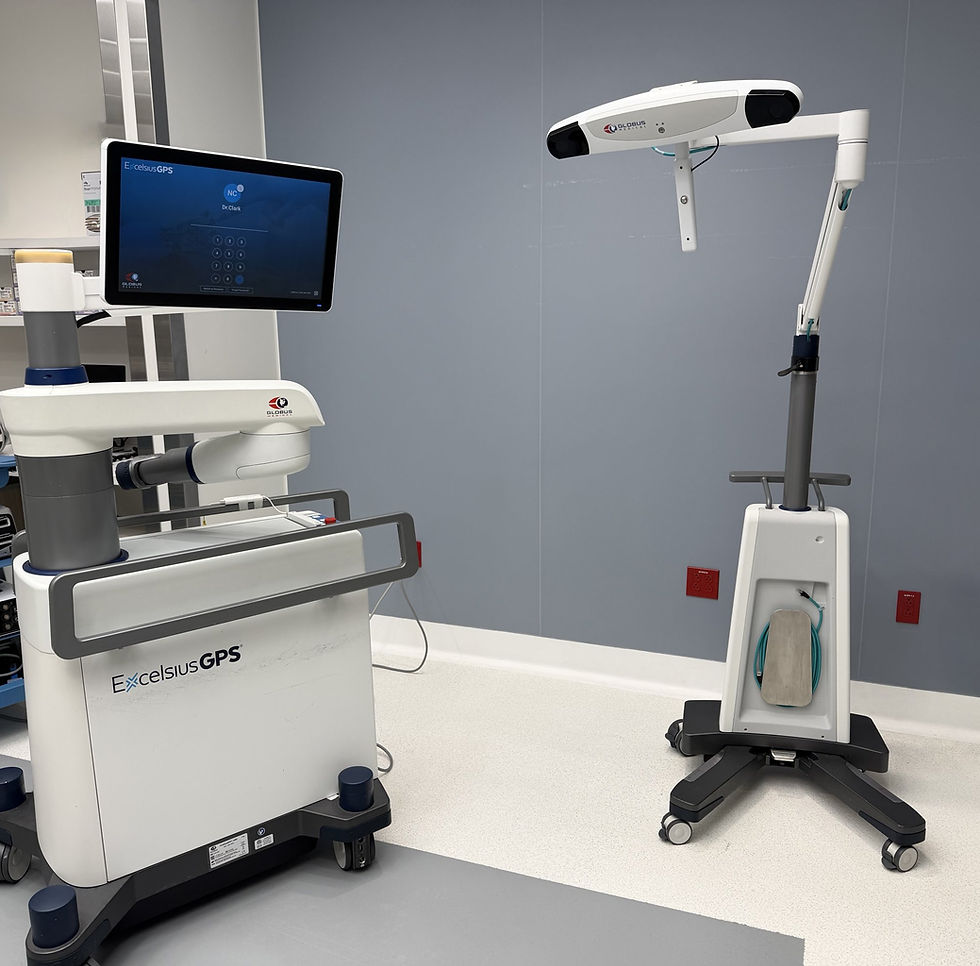
excelsius-gps-robot-nch-naples-dr-nicholas-clark.jpg

Minimally Invasive Spine Surgery

Revolutionizing Spine Care

Minimally invasive spine (MIS) surgery uses advanced techniques and tools to treat spinal conditions with minimal disruption to surrounding tissues. By operating through incisions typically smaller than one inch, surgeons can target specific areas of the spine with precision. Many MIS procedures are performed in outpatient settings, allowing patients to return home the same day.

ExcelsiusGPS spine surgery robot used by Dr. Nicholas Clark at NCH in Naples, FL

Spine Treatments

Comprehensive Solutions for Back Pain Relief

ACDF (Anterior Cervical Discectomy and Fusion)

ACDF (anterior cervical discectomy and fusion) for cervical disc disease and nerve or cord compression, Naples FL.

Tubular Microdiscectomy (Minimally Invasive Lumbar Discectomy)

Tubular microdiscectomy for herniated lumbar disc and sciatica, Naples FL.

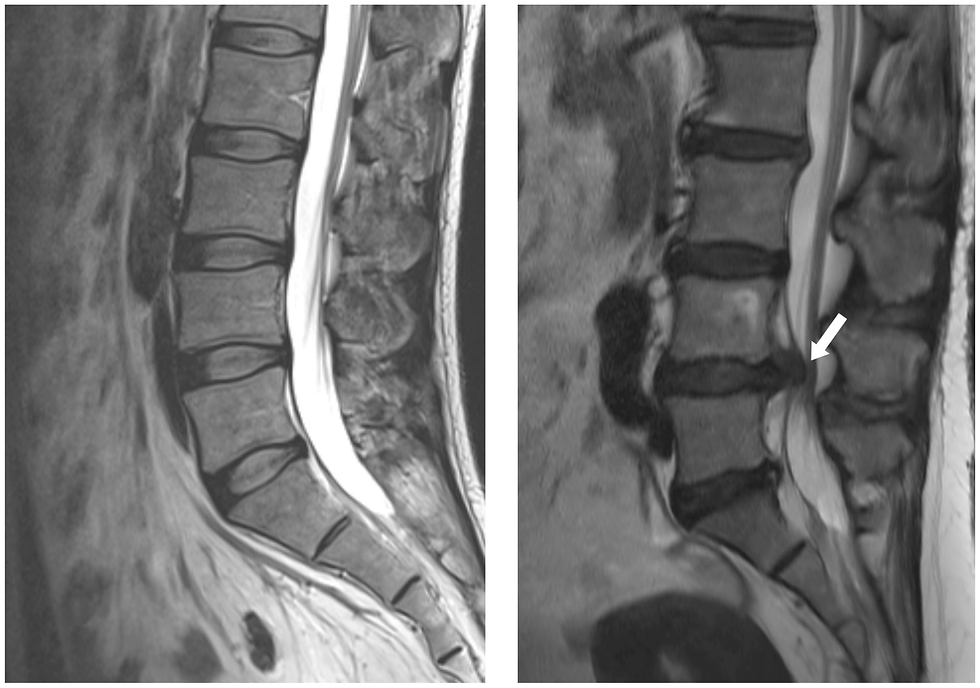
ULBD Laminectomy (Unilateral Laminotomy for Bilateral Decompression)
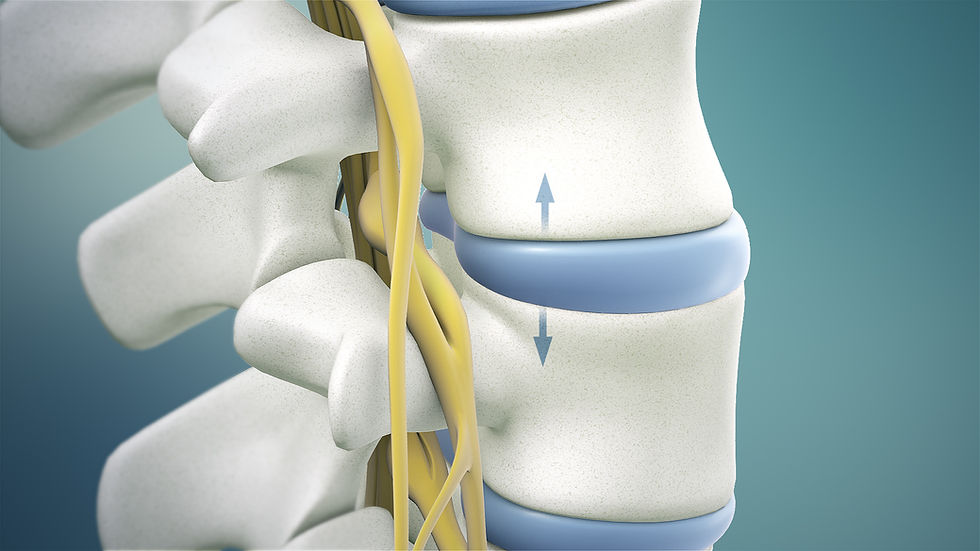
ULBD laminectomy (unilateral laminotomy for bilateral decompression) for lumbar stenosis, Naples FL.

MIS-TLIF (Minimally Invasive Transforaminal Lumbar Interbody Fusion)

MIS-TLIF (minimally invasive transforaminal lumbar interbody fusion) for pinched nerve and unstable lumbar segment, Naples FL

Synovial Cyst Excision

Synovial Cyst Excision is a procedure that removes fluid-filled cysts from the spine to reduce nerve irritation and pain.

LLIF (Lateral Lumbar Interbody Fusion)

LLIF (lateral lumbar interbody fusion) side-approach lumbar fusion, Naples FL.

MIS ALIF (Anterior Lumbar Interbody Fusion)

MIS ALIF (Anterior Lumbar Interbody Fusion) is a front-approach procedure that replaces a damaged disc and fuses the lumbar spine for long-term support.

Cervical Disc Replacement (CDR / TDR)

Cervical disc replacement (CDR / TDR) for motion-preserving treatment of cervical disc disease, Naples FL.

Pars repair

Pars Repair is a focused surgery that treats stress fractures in the spine to restore stability and reduce pain.

Revision Spine Surgery

Dr. Clark explaining spine anatomy with a lumbar model during consultation

Robotic Spine Surgery

Dr. Nicholas Clark and his NCH operating room team celebrating their 100th ExcelsiusGPS robotic spine case in Naples, FL
Arthritis

Arthritis

Degenerative spine changes that can cause pain and nerve compression, often treated with both nonoperative and surgical options.

Cervical stenosis (Myelopathy)

Cervical stenosis (Myelopathy)

Spinal cord compression leading to balance, coordination, or bowel/bladder issues, often requiring surgical treatment.

Degenerative Disc Disease

Degenerative Disc Disease

Age-related disc wear that can lead to spinal pain and nerve compression due to loss of disc height and flexibility.

Herniated Disc (Sciatica)

Herniated Disc (Sciatica)

A ruptured disc that presses on spinal nerves, causing pain, numbness, or weakness, potentially requiring surgery if severe.

Neck and Back Pain

Neck and Back Pain

Can stem from injury or long-term degeneration, with care tailored to the source and severity of the pain.

Sciatica (Radiculopathy)

Sciatica (Radiculopathy)

Nerve root compression causing pain, tingling, or weakness in limbs, treated with conservative or surgical methods.

Spinal Stenosis

Spinal Stenosis

Narrowing of the spinal canal causing nerve symptoms or cord compression, managed through various treatment levels.

Spondylolisthesis and Spondylolysis

Spondylolisthesis and Spondylolysis

Slippage of a vertebra that can compress nerves and cause leg or back symptoms, treated based on severity.

Spine Conditions

Diagnosing & Treating Spine Conditions

Dr. Clark takes a personalized approach to diagnosing the root cause of your pain and creating a treatment plan focused on the least invasive options. His main objective is to help you get back to the life you love without the need for surgery whenever possible. 

Robotic spine surgery in Naples: what the robot actually does (and does not)

Blog

September 30, 2026

Robotic spine surgery in Naples: what the robot actually does (and does not)

Spine surgery FAQs: ACDF, MIS-TLIF, disc replacement, and the robot

Blog

September 18, 2026

Spine surgery FAQs: ACDF, MIS-TLIF, disc replacement, and the robot

Minimally invasive isn’t a different surgery. It’s a different path to the same goal

Blog

September 17, 2026

Minimally invasive isn’t a different surgery. It’s a different path to the same goal

News

The Latest from Dr. Clark

Most Americans will experience back pain at some point — and many times it’s not a result of injury or illness.

Blog

September 27, 2026

6 Surprising Things That Are Hurting Your Back

Contact

Talk with Dr. Clark

For questions, help scheduling an appointment, or more information about treatment options, send a message using the form or call (239) 624-0306.

Reviews

Patient Feedback

bottom of page